Key Takeaways
- Core Craft Differences: The cold cement process relies on eco-friendly adhesives and high-pressure molding without destroying polymer materials. The heat-press process uses high-temperature vulcanization, making it ideal for joining traditional rubber and canvas.
- Top Choice for Premium Brands: Luxury and high-end sneaker brands choose the cold cement process for over 85% of their lines because it preserves EVA/TPU cushioning performance, reduces shoe weight by 30%, and supports multi-material splicing.
- Quality & Bonding Strength: Okeshoe’s cold cement peel strength exceeds national standard requirements by 1.5 times (bonding strength ≥ 4.5 N/mm, certified by third-party testing agencies BV, TUV, and SGS, with a mass production pass rate reaching 99.2%.
- Flexible Order Quantities: Okeshoe offers a low minimum order quantity (MOQ of 500 pairs), backed by a 10,000-square-meter factory with 150 sewing lines, 10 durable lasting lines, and an annual output exceeding 1.5 million pairs.
The quality and lifespan of high-end casual sneakers depend heavily on upper-to-sole bonding assembly crafts.
When searching for reliable private label sneaker manufacturers, purchasers frequently choose between the cold cement process and the heat-press process. As a professional custom sneaker manufacturer, Okeshoe delivers an in-depth analysis of these two mainstream assembly techniques to help brand partners make informed procurement decisions.
Upper-to-Sole Assembly Process Overview
| Process Name | Processing Temperature | Suitable Upper & Sole Materials | Core Manufacturing Advantages |
| Cold Cement Process | 40°C – 50°C | TPU, EVA, Flyknit, Genuine Leather, Carbon Fiber | Lightweight, preserves cushioning, high design freedom |
| Heat-Press Process | 130°C – 150°C | Canvas, Heavy Suede, Natural Rubber | Ultra-secure foxing tape bonding, vintage texture, abrasion resistance |
Technical Differences Between Cold Cement and Heat Press
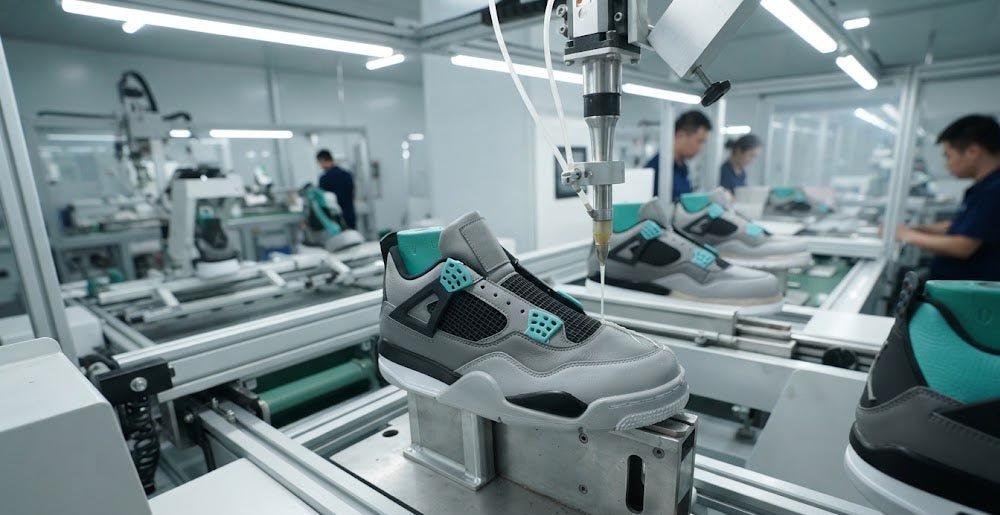
The cold cement process serves as the core of modern premium sneaker production. It uses ambient or low temperatures (40°C – 50°C) to activate eco-friendly adhesives, pressing the upper and sole tightly together via pneumatic or hydraulic presses.
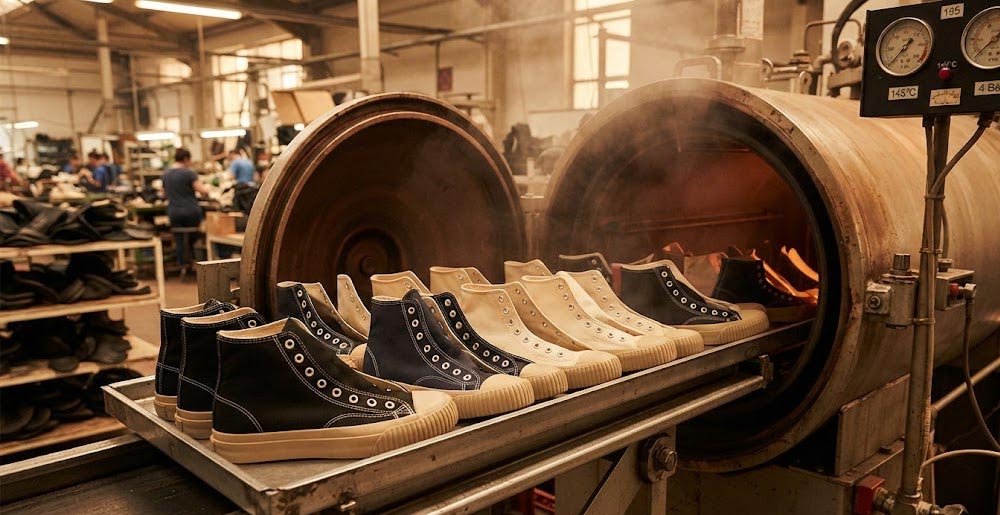
The heat-press process (which usually involves rubber vulcanization) requires placing the shoe last into a vulcanization tank under high-temperature and high-pressure conditions (130°C – 150°C) for 30 to 45 minutes to induce rubber cross-linking.
These two processes differ fundamentally in processing temperatures, material compatibility, and finished structural characteristics:
- Material Compatibility Range: The cold cement process works with almost all shoe upper fabrics, including genuine leather, flyknit, flywire, TPU films, and carbon fiber plates. The heat-press process is restricted by high heat and suits only heat-resistant canvas, heavy suede, and natural rubber soles.
- Structural Mechanical Performance: The cold cement process relies on molecular-level adhesive tensile and shear resistance, leaving sole elasticity and rebound untouched. The heat-press process relies on rubber cross-linking, providing exceptionally strong edge bonding but higher structural stiffness.
- Weight and Comfort Control: Cold cement shoes accommodate microcellular EVA or foamed PU midsoles, lowering overall shoe weight by 30%. Heat-pressed vulcanized shoes mostly feature solid rubber midsoles, making the shoes feel heavier.
Technical Specifications Comparison
| Metric | Cold Cement Process | Heat-Press / Vulcanization Process |
| Bonding Temperature | 40°C – 50°C | 130°C – 150°C |
| Assembly Time | 15 – 30 seconds (Pneumatic press) | 30 – 45 minutes (Vulcanization tank) |
| Midsole Compatibility | EVA, PU, TPU, Airbags, Carbon Fiber | Solid Rubber, Cork Filler Strips |
| Finished Weight (Size 42) | 320g – 420g (Lightweight) | 550g – 700g (Heavy) |
| Peel Strength | ≥ 4.5 N/mm (SGS tested) | ≥ 4.0 N/mm |
| Design Freedom | Extremely High (Complex shapes & materials) | Moderate (Classic flat soles) |
💡 Frequently Asked Questions
Q: What is the main difference between cold cement and heat-press sneaker manufacturing?
A: Cold cement bonding uses eco-friendly adhesives pressed under low temperatures (40°C – 50°C), preserving delicate materials like EVA, TPU, and genuine leather. Heat-press or vulcanization bakes shoes in high-heat ovens (130°C – 150°C), which locks rubber soles to heavy canvas but restricts design flexibility and adds physical weight.
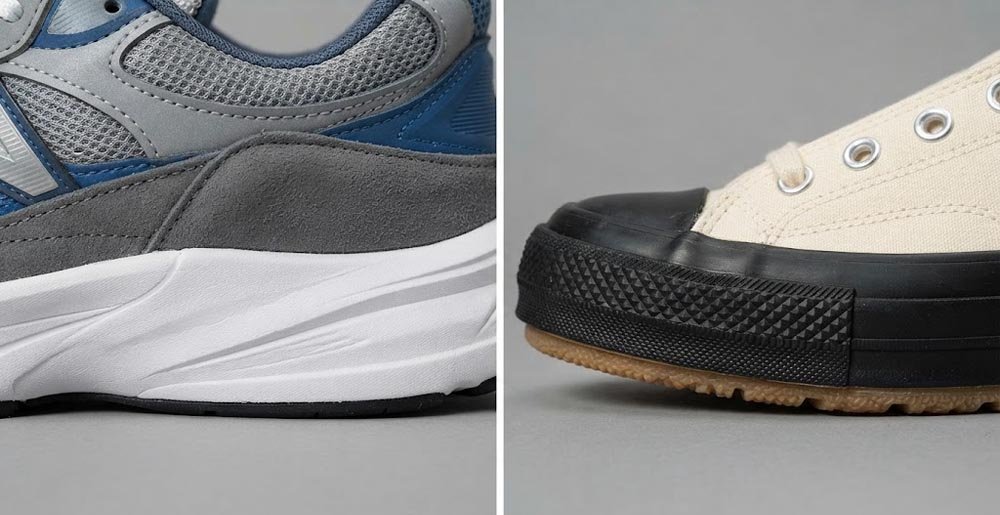
Why Premium Brands Prefer Cold Cementing
When developing high-end lines with private label sneaker manufacturers, luxury fashion labels and top streetwear brands choose cold cement assembly for over 85% of their products.
The cold cement process grants exceptional design freedom, supporting complex multi-material splicing and exposed outsole shapes to meet consumer demands for trendsetting style and tech performance.
Standard Cold Cement Production Workflow
- Design & 3D Blueprint Approval: Complete sole mold creation and upper pattern layouts based on client Tech Packs.
- Precision CNC Cutting & Sole Surface Pre-treatment: Rough and clean the bonding surfaces of soles and uppers.
- Automated Water-based Glue Spraying: Apply automated equipment to control adhesive layer thickness to exactly 0.1mm.
- Low-Temperature Flash Activation: Quickly activate adhesive molecules inside a low-temperature 45°C heating tunnel.
- 3D Pneumatic Cold Pressing: Execute seamless, multi-angle bonding under 3.5 – 4.5 Bar pressure.
- Full Inspection & Third-Party Audits: Perform laboratory pull testing to meet BV and SGS inspection standards.
Cold cement assembly offers four primary advantages:
- Extreme Lightweighting & Cushioning: The cold cement process allows direct integration of nitrogen-foamed EVA, ETPU popcorn foam, or carbon fiber plates. Cold-cemented casual sneakers made by a top-tier custom sneaker manufacturer maintain a single-shoe weight under 350 grams, delivering superior comfort.
- High-Precision Automated Glue Application: Okeshoe equips its 10 durable lasting lines with automated spraying machinery that keeps glue thickness precise to 0.1mm, avoiding overflow or missed spots for a clean upper finish.
- Flawless Realization of Complex Styles: Cold cementing prevents deformation, color fading, or thermal damage on intricate TPU support shanks, embroidered mesh, or premium suede.
Core Reasons Premium Brands Prefer Cold Cementing
- Preserves Material Integrity: Zero high-heat risk protects high-grade genuine leather, mesh, and TPU overlays.
- Enhances Ergonomic Comfort: Allows free combinations of multi-density EVA and nitrogen-infused midsoles.
- Impeccable Clean Finish: Automated 0.1mm glue spraying ensures zero overflow lines or visible glue marks.
- Significant Weight Reduction: Reduces overall sneaker weight by up to 30% compared to traditional rubber soles.
💡 Frequently Asked Questions
Q: Why do luxury private label sneaker manufacturers prefer cold cement processing?
A: Cold cement processing supports high-end materials like prime leather, TPU overlays, and lightweight EVA midsoles without high-heat degradation. It delivers superior cushioning, refined aesthetics with zero glue lines, and a 30% lighter footprint required by modern luxury footwear brands.
Unique Manufacturing Advantages of Heat Pressing
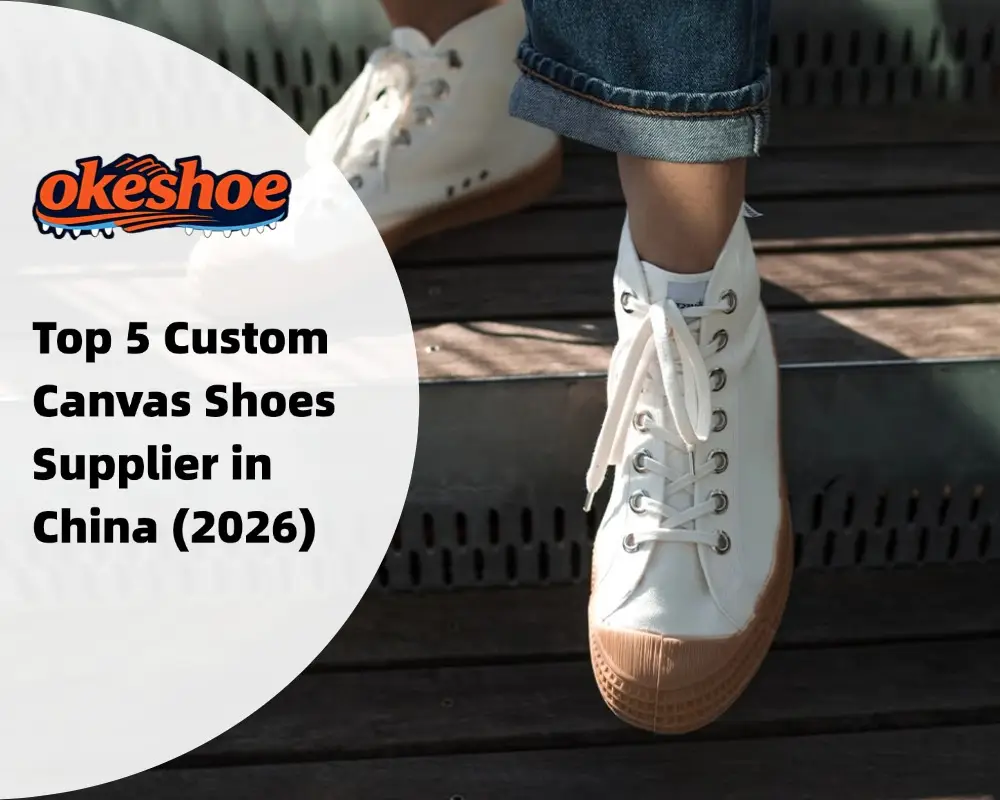
While the cold cement process dominates the high-end market, heat-press vulcanization maintains a firm position in classic retro skate shoes, canvas casual footwear, and styles requiring extreme wear resistance.
During heat vulcanization, sulfur and accelerators create tight cross-linked network structures in the rubber, giving soles superior tear strength and foxing tape adhesion.
Key Features of Heat-Press / Vulcanization
- Seamless Edge Fusion: Rubber foxing tape fuses directly into the upper material during vulcanization.
- Retro Street Aesthetic: Delivers the matte rubber texture essential for skate culture and retro trends.
- High Abrasion & Slip Resistance: Ideal for high-friction street sports applications.
The heat-press process is best suited for the following scenarios:
- Classic Retro Board Shoe Constructions: For skate shoes requiring retro street style and wrapped foxing tape, vulcanization achieves seamless bonding between rubber soles and side bands.
- High Abrasion & Tear Resistance: Vulcanized rubber exhibits outstanding Akron Abrasion resistance metrics, standing up to high-friction skateboarding environments.
- Simplified Midsole Priming: Due to high-temperature self-vulcanization, pre-treatment steps are simpler, providing cost advantages in large-volume production of basic canvas shoes.
💡 Frequently Asked Questions
Q: Are cold-cemented sneakers durable enough for daily wear?
A: Yes. High-quality cold-cemented sneakers manufactured by Okeshoe feature a bonding peel strength above 4.5 N/mm, exceeding national standard requirements. They undergo rigorous flex-resistance tests (> 100,000 flexing cycles) certified by SGS and TUV, ensuring long-term durability for daily wear.
How Buyers Choose Assembly Crafts Based on Positioning
Footwear brands, B2B purchasers, and startup designers must choose assembly crafts by weighing brand positioning, target retail pricing, order scale, and reorder turnaround times.
B2B Buyer Selection Decision Matrix
| Evaluation Dimension | Cold Cement Solution | Heat-Press / Vulcanization Solution |
| Target Retail Price | Mid-to-High End ($80 – $300+) | Budget to Mid-Range ($30 – $80) |
| Upper Material Options | Genuine Leather, Flyknit, Suede, Microfiber, TPU | Canvas, Heavy Suede, Denim |
| Midsole Comfort Need | Tech Cushioning (EVA, E-TPU Popcorn, Airbags) | Traditional Flat Rubber Soles |
| MOQ Flexibility | 500 pairs MOQ (Flexible production) | Usually requires 1,000+ pairs MOQ |
| Reorder Turnaround | Fast Reorder (20 – 25 days) | Standard Production Lead Time |
Purchasers can apply these practical guidelines:
- High-End Fashion & Tech Athletic Brands: Choose the cold cement process. Cold cementing showcases complex upper designs, multi-material splicing, and lightweight cushioning midsoles, supporting higher retail margins.
- Retro Canvas & Street Skate Brands: Choose the heat-press vulcanization process. Focus on foxing tape smoothness and rubber outsole wear resistance.
- Supply Chain Speed & MOQ Considerations: Cold cement tooling and production line changeovers offer greater flexibility. Working with agile private label sneaker manufacturers like Okeshoe provides a starter MOQ of 500 pairs and rapid replenishment backed by 150 sewing lines.
Brand Buyer Procurement Checklist
- Define target retail pricing and consumer usage scenarios.
- Request and verify upper-to-sole bonding strength test reports certified by SGS and BV.
- Confirm upper fabric heat tolerance matches the selected assembly technology.
- Evaluate factory MOQ limits, such as Okeshoe’s 500-pair starter threshold.
- Confirm fast reorder turnaround capabilities for winning SKUs.
💡 Frequently Asked Questions
Q: What is the minimum order quantity (MOQ) for custom sneaker manufacturing at Okeshoe?
A: Okeshoe supports emerging brands and established importers with a low MOQ of 500 pairs per custom design. Backed by 10 production lines and 150 sewing lines, we offer flexible scalability from small batches to full-scale orders.
Okeshoe Factory Capabilities and Quality Control
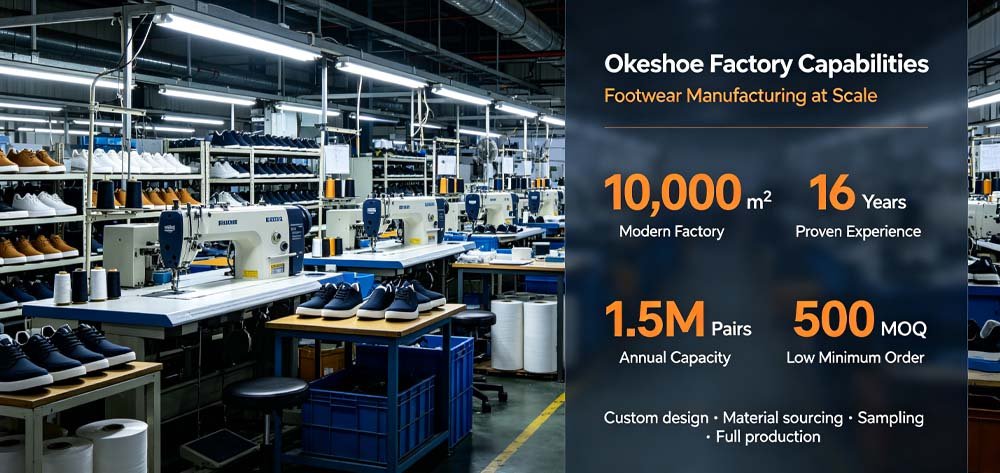
As a leading custom sneaker manufacturer based in China, Okeshoe brings 16 years of experience to high-end shoe R&D and manufacturing.
Our 10,000-square-meter automated campus houses 200+ skilled shoemaking artisans, 150 sewing lines, and 10 durable lasting lines, producing over 1.5 million pairs of sneakers annually.
Okeshoe Core Factory Capacity Metrics
| Metric | Scale & Data Specification |
| Facility Scale | 10,000 Square Meters Modern Footwear Campus |
| Manufacturing Expertise | 16 Years Specializing in Custom Sneaker Production |
| Skilled Workforce | 200+ Experienced Shoemaking Artisans & Technicians |
| Production Lines | 150 Sewing Lines | 10 Durable Lasting Lines |
| Annual Capacity | 1,500,000+ Pairs with Rapid Replenishment |
| Global Brand Partners | 300+ Worldwide Brand Clients & Designers |
| Flexible MOQ | 500 Pairs per Design Variant |
| Quality Certifications | Verified by BV, TUV, and SGS Third-Party Testing |
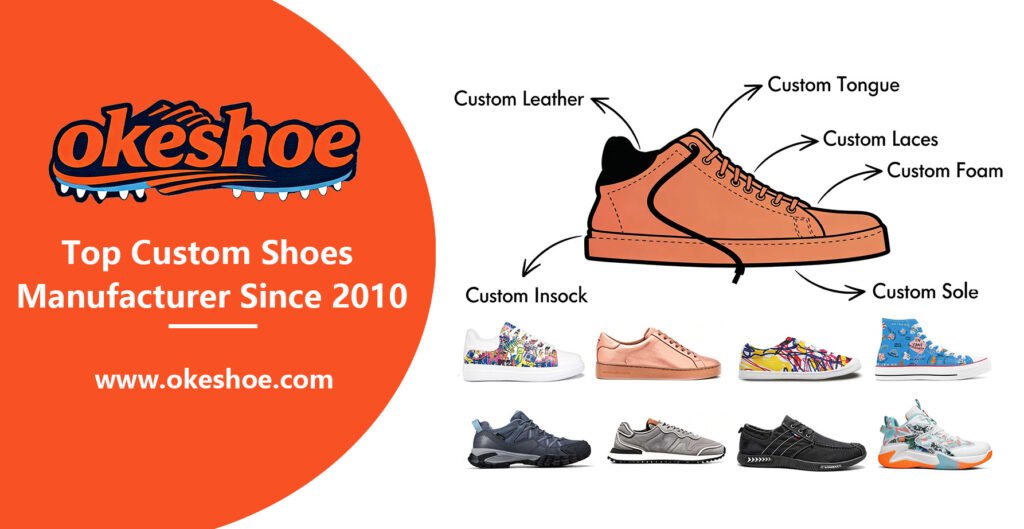
Okeshoe provides comprehensive customization services for over 300 global brand partners, covering shoe lasting, fabric sourcing, logo embossing, outsole molding, custom insoles, hardware accessories, and custom packaging boxes.
On our cold cement assembly lines, automated roughing machines and centrifugal tensile testers ensure every production run undergoes 100,000 flexing cycles and peel strength testing before shipment. All products meet import standards verified by BV, TUV, and SGS.
Full-Spectrum Customization Scope
- Upper Materials: Prime Genuine Leather, Jacquard Flyknit, TPU Overlay Film, Microfiber, Mesh, Suede.
- Outsole Structures: EVA Foamed, E-TPU Popcorn Pellets, Durable Rubber Outsoles, Airbags, Carbon Fiber Plates.
- Branding Options: Laser Embossing, 3D Silicone Patches, Screen Printing, Custom Metal Eyelets.
- Custom Packaging: Printed Shoe Boxes, Tissue Paper, Dust Bags, Brand Hangtags.
💡 Frequently Asked Questions
Q: Which quality certifications should I look for in custom sneaker manufacturers?
A: Reliable private label sneaker manufacturers should possess international ISO management credentials and third-party inspection audits. Okeshoe is certified by BV, TUV, and SGS, guaranteeing that chemical eco-safety, adhesion strength, and flex durability meet European and American import regulations.
Ready to build your next premium sneaker collection? Contact Okeshoe today to discuss your tech packs, request free material swatches, or get an instant quote for your 500-pair custom order.
| OEM&ODM Factory | Email: sandy@okeshoe.com | WhatsApp:+86 13328871615 |
Deciding between cold cementing and heat pressing depends on brand positioning, design complexity, and functional needs. Cold cementing leads modern premium sneaker production through lightweight comfort and multi-material versatility, while heat pressing remains essential for classic canvas and retro skate shoes.
With 16 years of manufacturing expertise, a 10,000-square-meter factory, and BV, TUV, and SGS certifications, Okeshoe delivers end-to-end custom footwear manufacturing with a low 500-pair MOQ. Contact our engineering team today to launch your proprietary sneaker line!